
Technical Specifications
Capabilities at a Glance
Every number below is what we hold on your parts — CMM-verified, with free FAI on your first order.
| Tolerance | ±0.005mm on critical dimensions |
|---|---|
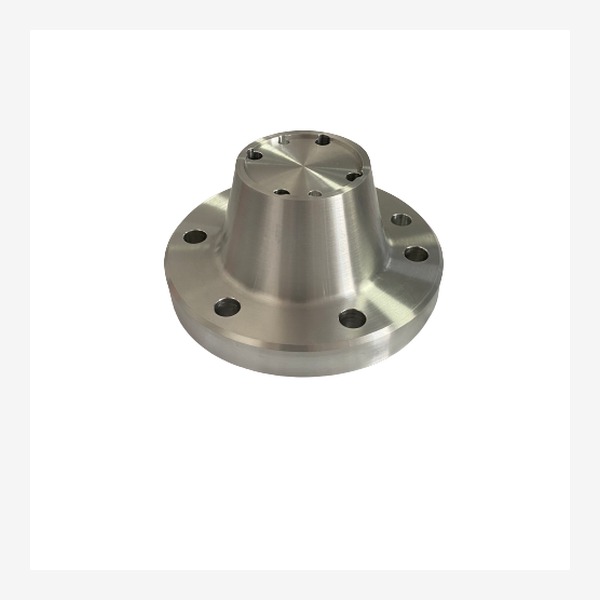
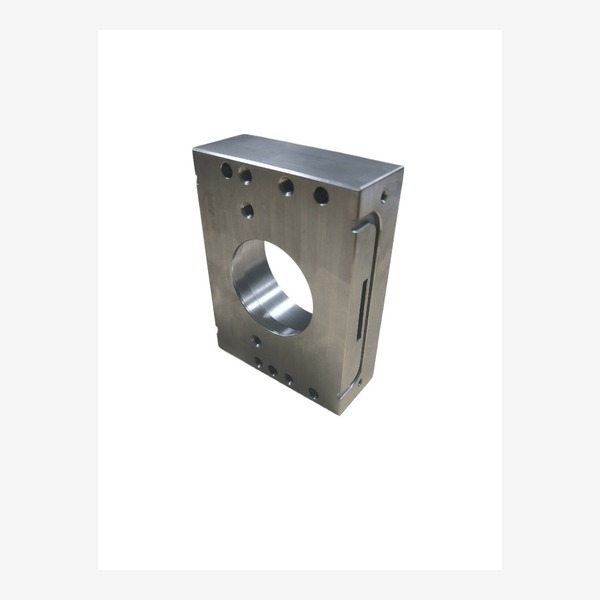
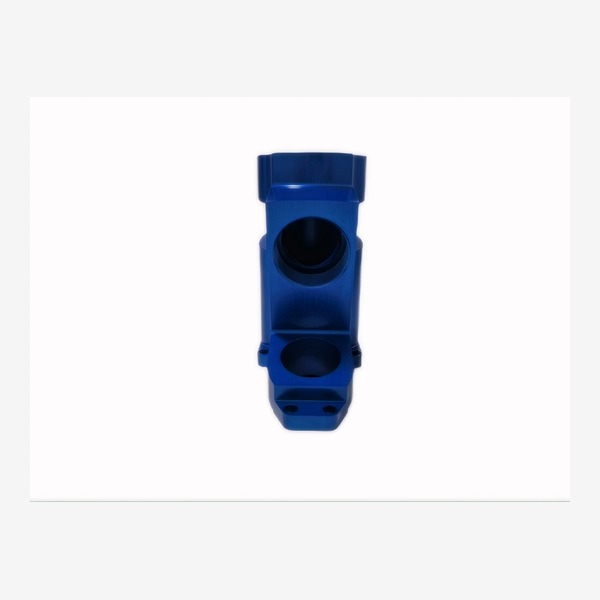
| Materials | Aluminum 6061 · Stainless 304 · POM · PEEK. Production-grade materials available for representative prototypes. Customer-supplied materials accepted. |
| Process | 5-Axis Milling + Turning |
| Surface Finish | Anodizing II/III · Passivation · Bead Blasting · Electroless Nickel (available on request) |
| Inspection | CMM · Messprotokoll (Istwerte) · kostenlose FAI |
| Lead Time | 5–7 business days from drawing approval for typical parts. Rush service available for program-critical prototypes. |
FAQ
Frequently Asked Questions
How fast can you machine a prototype?
5–7 business days from drawing approval for typical parts. Rush service available for program-critical prototypes.
Do you have a minimum order quantity?
No MOQ. We machine 1-piece samples, proof-of-concept parts and pilot runs of a few pieces to production volumes.
Do you offer free DFM feedback on prototypes?
Yes. Engineers review your design within 48h at no cost — we flag manufacturability issues and cost-saving changes before cutting metal.
Can you use customer-supplied materials?
Yes. Send us your material (with certs) and we'll machine it, or we source rapidly from our suppliers for you.
What file formats do you accept for prototypes?
STEP (.stp), IGES (.igs), SolidWorks (.sldprt), DWG/DXF and PDF. STEP preferred for fastest quoting.
What documentation do you provide with prototypes?
CMM report, FAI and material certs included — the same quality documentation as production parts, so your prototype is a valid pilot.
Buyer Guide
Buyer's Guide
How to Get a Quote for Prototypes
Send the drawing with: quantity, material, target lead time, and critical tolerances. Mark features that are 'for reference' vs 'critical' to focus machining and inspection.
Material Selection Guide
Use production-grade material for the prototype so test results transfer to production. Aluminum 6061, stainless 304 and PEEK are fast-sourcing favorites.
DFM Tips for Fast Prototyping
Design with standard tools — avoid exotic thread sizes and deep slots; consider CNC-machinable features over cast or molded geometries for the sample phase.
Quality & Inspection
CMM inspection with full report, free FAI, material certs. Prototype reports help you lock tolerances before production tooling.
Lead Time & Shipping
Prototypes 5–7 business days, rush available. DDP door-to-door with one invoice — export, customs, duties, last-mile.
Get a Quote for Industrial Prototypes
Send us your drawing — we review within 48h and return a quote with lead time.
Get a Quote →