
Latest Articles
Engineering Guides for Precision Machined Parts
Titanium vs PEEK for Automation Components: Which Material Should You Pick?
Confused between titanium and PEEK for robotic end effectors and automation tooling? We break down strength, weight, wear resistance and real-world cost tradeoffs.
Read article → Material Selection
7075 Aluminum vs 6061 Aluminum for Automation Fixtures: What Every Design Engineer Needs to Know
Trying to decide between 6061 and 7075 aluminum for your CNC automation tooling? We cover strength, machinability, anodizing results and honest cost differences.
Read article →TECH REFERENCEDFM & EngineeringCNC Machining Tolerance Guide for Automation Components: Stop Specifying Tighter Tolerances Than You Actually Need
Most design engineers over-spec tolerances and drive up CNC machining costs. Learn how to assign practical tolerances for robotic parts, fixture assemblies and moving automation components.
Read article →TECH REFERENCESurface FinishingHard Anodizing vs Clear Anodizing for CNC Parts (Type II vs III)
Wondering whether to pick hard anodizing or clear anodizing for your CNC aluminum automation parts? We cover wear resistance, cost, finish quality and real use cases.
Read article → Material Selection
304 vs 316 Stainless Steel for Washdown Automation Equipment: Stop Guessing Which to Use
Confused between 304 and 316 stainless for food-grade and washdown automation machinery? We break down corrosion resistance, cost, machinability and real-world failures.
Read article →TECH REFERENCEDFM & EngineeringCNC Machined Threads Design Guide: DFM Tips to Avoid Broken Taps & Scrap Parts
Bad thread design causes most CNC thread scrap. Learn practical DFM rules for machined internal and external threads on automation jigs and fixtures.
Read article →TECH REFERENCEMaterial SelectionDelrin vs ABS: Which Plastic for CNC Jigs?
Delrin vs ABS vs POM for custom CNC plastic jigs, gripper inserts and automation tooling? We compare machinability, wear resistance and stability.
Read article →TECH REFERENCEDFM & EngineeringHow to Reduce CNC Machining Costs With Simple DFM Design Rules (Real Shop Advice)
Most CNC part cost comes from poor design choices, not shop markup. Use these practical DFM rules to cut machining costs without sacrificing part performance.
Read article →TECH REFERENCEDFM & EngineeringSurface Roughness (Ra) Explained for Custom CNC Machined Parts: Stop Over-Specifying Finishes
Confused about Ra surface roughness values for CNC parts? Learn which Ra levels you actually need for friction fits, cosmetic surfaces and functional automation components.
Read article →TECH REFERENCEDFM & EngineeringCNC Fixturing Design: Best Practices
Poor fixturing causes most CNC dimensional drift and batch defects. Learn proven fixturing design rules for high-repeatability precision automation part production.
Read article →TECH REFERENCEMaterial SelectionCNC Shaft Machining: Concentricity, Straightness and the Right Steel
Shafts and pins are the most requested part type in our RFQs. Here is what actually controls concentricity and straightness in CNC turning, plus how to pick between 4140, 1045 and 12L14 without guessing.
Read article →TECH REFERENCEDFM & EngineeringCNC Prototype to Production: Realistic Lead Times and MOQ Truths
Almost half of the RFQs we receive are for 20 parts or fewer. Here is what prototype lead times actually look like, what MOQ really means at a CNC shop, and how to plan the jump to production without surprises.
Read article → Material Selection
Custom Fasteners: When CNC Machined Bolts, Pins and Washers Beat Standard
Standard fasteners are cheap until they do not fit. Here is when machining your own bolts, pins and washers wins — non-standard sizes, special alloys, tight tolerances and small quantities.
Read article → DFM & Engineering
Machining Hydraulic Fittings and Manifolds: Sealing, Threads and the Burr Problem
Hydraulic parts fail at the sealing surface, not in the body. What we have learned machining fittings, manifolds and valve blocks: thread standards, cross-hole burrs, and materials that actually hold pressure.
Read article →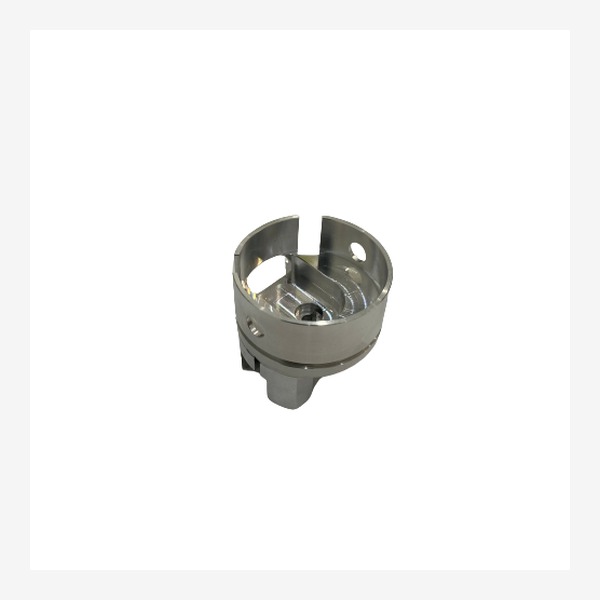 Material Selection
Sensor and Instrument Housings: Materials That Protect Signal Integrity
Sensor housings are where material choice meets electronics. What aluminum, stainless, brass and plastic each do for shielding, heat and sealing — straight from the machine shop.
Read article →TECH REFERENCEMaterial Selection4140 vs 1045 vs 12L14: Picking Steel for CNC Machined Parts
Steel is the most common material in our RFQs and the least discussed. 4140, 1045 and 12L14 behave very differently under the cutter. Here is when to spec each one.
Read article →TECH REFERENCEDFM & EngineeringYour CNC Machining Quote, Decoded: What Actually Drives Price per Part
Ever wonder why the quote came back higher than expected? Here is how we price parts — material, machine time, setup, tolerance and quantity — and how to get the best number.
Read article →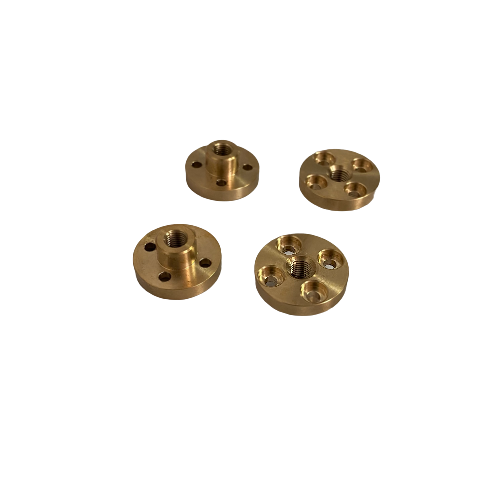 Material Selection
Brass vs Bronze vs Copper for Bushings and Connector Pins
Three copper alloys, three very different jobs. C360 brass, bearing bronze and pure copper each have a place — here is how to spec them without overpaying.
Read article →CASE STUDYCase StudyRobotics Reducer Components: How Early DFM Review Turned a 29-Part RFQ Into a Fast Quote
A robotics OEM asked us to quote 29 aluminum parts for a new cycloidal drive family — with 3D models only and no finished 2D drawings. Here is how STEP analysis and early DFM review kept the project moving and set up exact pricing in 48 hours.
Read article →TECH REFERENCEGears & TransmissionGear Machining Tolerances: Backlash, Runout, and What a Shop Can Actually Hold
Custom gear RFQs fail when buyers call out numbers a shop can't hold — or leave out the ones that matter. Here is what backlash, runout, and tooth accuracy really cost, and what you should put on the drawing.
Read article →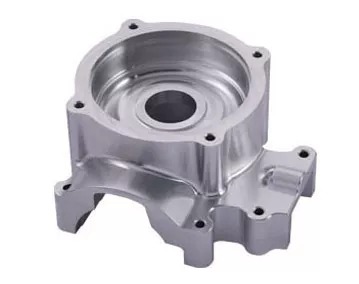 Motor Components
Electric Motor Parts CNC Machining: Housings, End Caps, and Rotor Shafts
Motor housings look like simple boxes with a bore — until the stator won't press in or the shaft wobbles. Here is what actually matters on motor component drawings, and the tolerances that keep them quiet and cool.
Read article →TECH REFERENCEMold & ToolingTool Steel CNC Machining: D2, H13, and Prehardened Alternatives
Tool steel parts are quoted wrong more than any other material — usually because the drawing doesn't say which state the steel is in. D2, H13, and prehardened 4140 each machine completely differently. Here's the honest breakdown.
Read article →TECH REFERENCESurface FinishingSurface Finish Selection for CNC Parts: Machined, Anodized, Plated, or Painted
Most surface finish specs are picked for looks and end up failing in service. Here's the decision tree: corrosion, wear, conductivity, or cosmetics — what each finish actually gives you, and what it costs.
Read article →TECH REFERENCE5-Axis Machining5-Axis CNC Machining: When It Pays Off and When It's Overkill
5-axis is a tool, not a trophy. It wins on complex geometry and one-setup accuracy — and loses money on simple parts. Here's how to tell which side of the line your part is on, and how to avoid paying the premium.
Read article →TECH REFERENCEMaterialsMachining Titanium Ti-6Al-4V: Feeds, Speeds, and Cost Reality
Titanium separates shops that talk from shops that deliver. Ti-6Al-4V is slow, expensive, and unforgiving — but the parts it enables are worth it. Here's the real machining picture and what it costs.
Read article →TECH REFERENCERings & SealsThin-Wall Rings and Seals: Machining Round Parts Without the Distortion
Thin-wall rings warp the moment you unclamp them. Here is how shops hold circularity on seal rings, retaining rings, and thin sleeves — fixturing, stress relief, and what tolerance is actually realistic.
Read article →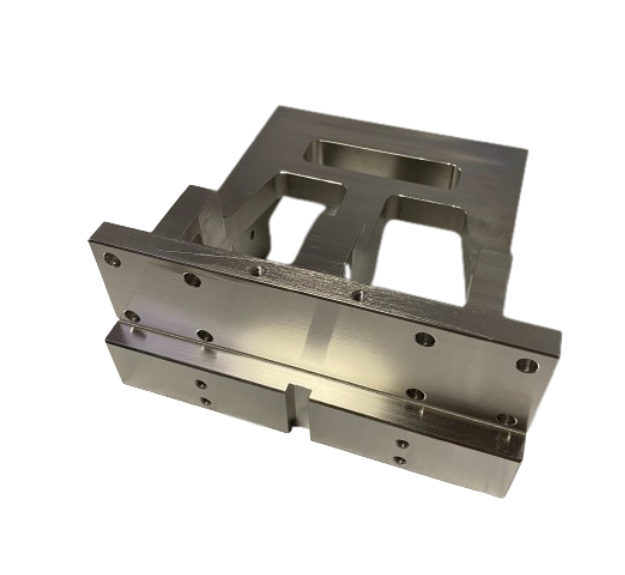 Flat Plates
CNC Plate Machining: Holding Flatness and Killing Warpage
Plates warp, panels bow, and thin sheets never stay where you put them. Here is the shop-floor playbook for machining flat plates — stress control, double-sided sequencing, vacuum workholding, and real flatness numbers.
Read article →TECH REFERENCECovers & EnclosuresMachining Thin-Wall Covers and End Caps: Sealing Faces and Fixturing
Motor end caps, pump covers, sensor housings — thin covers look simple until the sealing face fails. Here is how to machine thin-wall covers flat, hold O-ring grooves, and keep chatter away.
Read article →TECH REFERENCEBrackets & Mounts7075 Aluminum Brackets: Fixturing and Machining Points That Save Parts
7075 brackets machine beautifully and warp just as beautifully. Here is what a shop actually does with L-brackets, U-brackets, and structural mounts in 7075-T6 — fixturing, stress control, and tolerances you can trust.
Read article →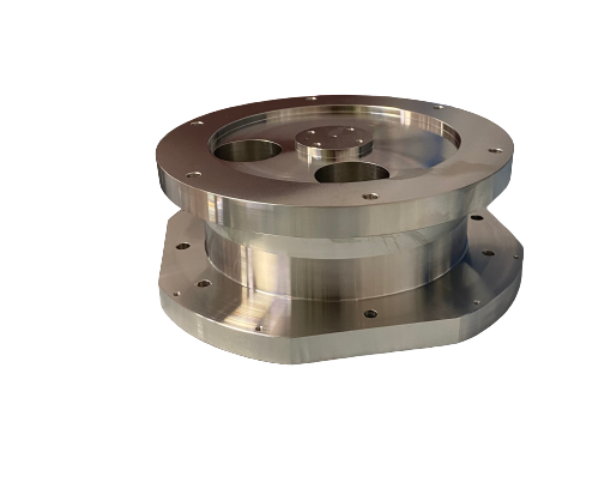 Bearing Housings
Bearing Housings: H7 Fits, Press-Fit Reality, and Cylindricity That Matters
Bearing housing bores are where fit classes stop being theory. H7, press fits, cylindricity, and why a perfect round bore still fails. Real shop numbers for housing machining in aluminum, steel, and cast iron.
Read article →TECH REFERENCEWeldmentsMachining Weldments: Distortion Control and Post-Weld Precision
Weldments move. Every weld shrinks as it cools, and the part you bolted down is not the part you get back. How shops machine weldments to tolerance — stress relief, datum strategy, and realistic post-weld numbers.
Read article →Flanges & FittingsCNC Flange Machining: Sealing Faces, Bolt Patterns, and Materials
Flange jobs live or die on the sealing face and bolt-hole pattern. Here is how to approach facing, bolt circles, groove work, and material selection so flanges seal the first time.
Read article →TECH REFERENCEFastenersCustom CNC Nuts: Hex Nuts, Locknuts, and Material Selection
Off-the-shelf nuts cover 95 percent of applications. The other 5 percent need machined specials: odd thread forms, unusual materials, or locking features that catalog parts do not offer.
Read article →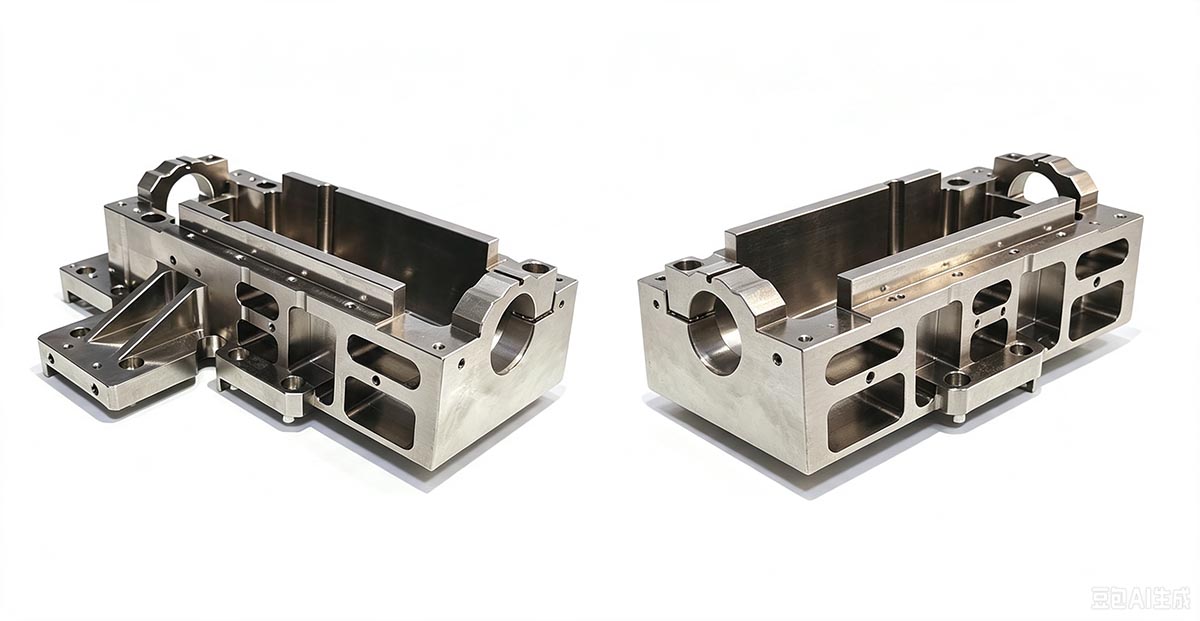 Mounting Blocks
Precision Mounting Blocks: Squareness, Datums, and Six-Side Machining
A mounting block looks like a simple cube until you need 0.02 mm perpendicularity across six sides with tapped holes on five faces. Here is how to approach datums, setups, and squareness on production blocks.
Read article →TECH REFERENCESpacers & SleevesPrecision Spacers and Sleeves: Concentricity, Wall Thickness, and Volume Runs
A spacer looks trivial until you need 0.01 mm runout on a 3 mm wall across a thousand pieces. The difference between a good spacer and a scrap pile is fixturing and the right machine choice.
Read article →TECH REFERENCESeals & GroovesO-Ring Groove Dimensions & Seal Faces: Machining Leak-Free Seals
A leak-free O-ring seal depends on the groove, not the rubber. Groove width, depth, surface finish, and absence of burrs all matter, and most leaks trace back to one of four mistakes.
Read article →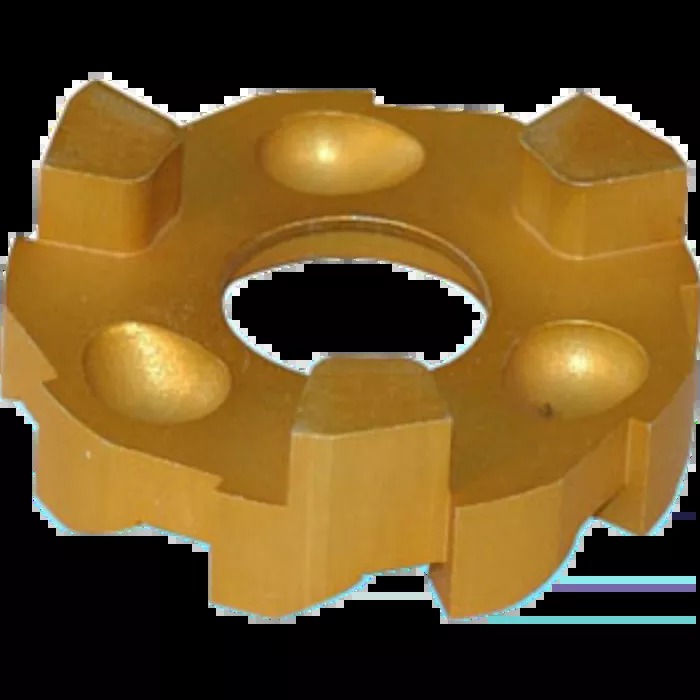 Threaded Inserts
Brass Threaded Inserts: Machining for Molded Parts
Threaded inserts give plastic and cast parts a durable metal thread. Knurling, tolerance, and installation method determine whether an insert holds up to torque and pull-out or spins in the hole.
Read article →TECH REFERENCESemiconductor & VacuumUHV Vacuum Components: Materials and Surface Finishes for Leak-Tight Parts
UHV components live or die on surface finish, material choice, and cleanliness. Here is what actually works for leak-tight parts from a machinist who has scrapped enough of them.
Read article →TECH REFERENCEMedical EquipmentISO 13485 vs ISO 9001: What It Means for Your Medical Machined Parts
ISO 9001 and ISO 13485 are not interchangeable. If you are sourcing machined parts for a medical device, here is what the certification difference actually means on the shop floor.
Read article →TECH REFERENCEAutomotiveEV Motor Housings and Automotive Components: CNC Machining Guide
EV motor housings combine thin walls, tight bore tolerances, and coolant jacket sealing. Here is how to approach machining these and other precision automotive parts without scrapping castings.
Read article →BUYER GUIDEPackaging MachineryPackaging Machinery Parts: Precision Machining for Automation Lines
Packaging machines run 24/7 and every minute of downtime costs money. Here is how to approach machined parts for packaging lines — material selection, wear surfaces, and tolerance choices that actually matter.
Read article →TECH REFERENCEOil & GasOil & Gas Equipment: Corrosion-Resistant CNC Machining Guide
Oil and gas components see sour service, chloride exposure, and high pressure. Material selection, machining parameters, and corrosion-resistant finishing for parts that do not fail downhole or subsea.
Read article →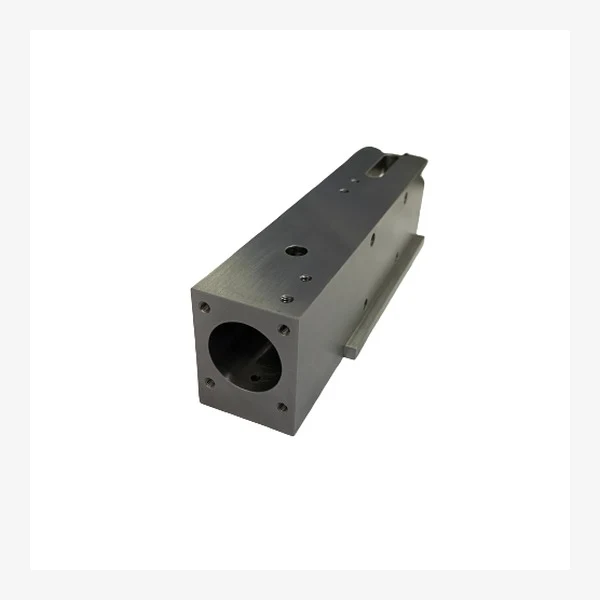 Motorsports
Motorsports Parts: Lightweight Precision Machining for Racing Components
In racing, every gram and every 0.01 mm matters. Material selection, fixturing, and design for CNC machined brackets, uprights, pulleys, and mounts that hold up on track.
Read article →BUYER GUIDEBuyer GuidesHow to Evaluate CNC Machining Suppliers: A Practical Checklist
Picking a CNC shop is not about the lowest quote. It is about verifying capability before you cut a purchase order. Here is a field-tested checklist for supplier evaluation.
Read article →TECH REFERENCEQuality AssuranceFAI Inspection and CMM Reports: What to Expect
A first article inspection report is only as good as the equipment and process behind it. Here is what CMM inspection covers, how FAI works, and what to demand from your machining supplier.
Read article →TECH REFERENCEQuality AssurancePPAP for Machined Parts: A Guide to Documentation and Approval
PPAP is the standard approval process for automotive production parts. Here is what each PPAP element means for CNC machined components and how to prepare a submission that gets approved.
Read article →TECH REFERENCEDFM & EngineeringGD&T Basics: Flatness, Perpendicularity, and Position for CNC Parts
GD&T symbols control geometry in ways coordinate dimensions cannot. Here is how flatness, perpendicularity, and position work, what their tolerance zones look like, and how they apply to real CNC parts.
Read article →BUYER GUIDEBuyer GuidesSourcing Precision CNC Parts from China: What Buyers Need to Know
China remains the most cost-competitive source for precision machined parts, but quality varies dramatically. Here is what to understand about logistics, quality assurance, and supplier qualification.
Read article →BUYER GUIDEBuyer GuidesHow to Request a CNC Machining Quote: RFQ Best Practices
A complete RFQ gets you an accurate quote faster. Missing information causes pricing delays, incorrect quotes, and production surprises. Here is what every CNC machining quote request should include.
Read article →BUYER GUIDEBuyer GuidesWhy Are Chinese CNC Quotes So Low? Hidden Costs and Material Traps
That rock-bottom CNC quote might cost you more in the end. Here is how low-ball pricing works, where suppliers cut corners, and how to compare quotes honestly before you issue a PO.
Read article → Materials
Aluminum Grade Substitution: How to Catch 6061 Passed Off as 7075
Aluminum grade substitution is a real risk when sourcing CNC parts from China. Here is how 6061 gets substituted for 7075, why it matters for your parts, and how to verify material before it enters your assembly.
Read article →TECH REFERENCEQuality AssuranceSpotting Fake CMM Reports and Quality Certificates from CNC Suppliers
Not every CMM report you receive reflects actual measurements. Here is what a real CMM report looks like, common red flags in fabricated reports, and how to verify that inspection data matches the parts you paid for.
Read article →TECH REFERENCEQuality AssurancePerfect Prototype, Bad Production? Closing the CNC Quality Gap
Your first-article parts look flawless, but the production run shows tool marks, out-of-tolerance features, and finishing issues. Here is why the prototype-to-production gap happens and how to lock in quality before you release a PO.
Read article →TECH REFERENCEQuality AssuranceHow to Verify an ISO 9001 Certificate from a Chinese CNC Supplier
An ISO 9001 certificate proves nothing if it is fake, expired, or covers the wrong scope. Here is how to verify certificates properly, check scope of accreditation, and look beyond the PDF to real quality practice.
Read article →BUYER GUIDEBuyer GuidesHandling Quality Disputes with Chinese CNC Suppliers
Quality disputes do not have to turn into financial losses. Here is how to structure PO terms, document evidence, use third-party inspection, and negotiate rework, replacement, or credit when parts go wrong.
Read article →BUYER GUIDEBuyer GuidesWhy Do Chinese CNC Suppliers Miss Lead Times? Getting Real Dates
Promised two weeks, delivered in two months - lead time delays are one of the most common frustrations when sourcing from China. Here is why delays happen, how to get realistic dates, and how to protect your project schedule.
Read article →TECH REFERENCESurface FinishingAnodizing Quality Inspection: What to Check on Parts from China
Anodizing defects sink otherwise good CNC parts - color mismatch, thin coating, poor sealing, scratches, and pitting. Here is how to specify anodizing properly and inspect incoming parts to catch issues before assembly.
Read article →BUYER GUIDEBuyer GuidesPackaging and Shipping Damage: How CNC Precision Parts Get Ruined
Perfectly machined parts can arrive as scrap due to poor packaging and transit damage. Here is how corrosion, impact, abrasion, and deformation happen in shipping, and how to specify packaging that protects parts all the way to your dock.
Read article →BUYER GUIDEBuyer GuidesPayment Terms and Deposit Fraud: How to Pay a Chinese CNC Supplier Safely
Deposit scams, payment red flags, and how to structure payments so you keep leverage from PO through delivery. This article covers standard terms, warning signs, escrow options, and due diligence before wiring money.
Read article →BUYER GUIDEBuyer GuidesHow to Find Reliable Chinese Precision CNC Machining Suppliers via Google
B2B platforms show you who pays the most for ads. Here is how to find real Chinese CNC machine shops on Google, with copy-paste search strings, RFQ templates, and vetting checklists.
Read article →BUYER GUIDEBuyer GuidesChina vs Vietnam for Precision CNC Parts: A Sourcing Decision Guide
Vietnam has taken a lot of low-skill manufacturing, but precision CNC is a different game. Here is how to decide where to place your next machined parts order.
Read article →BUYER GUIDEBuyer GuidesWhat Actually Moved to Vietnam? Manufacturing Reality Beyond the Headlines
Headlines say everything is leaving China. Reality is more nuanced, especially for precision machined parts. Here is what actually moved and what did not.
Read article →BUYER GUIDEBuyer GuidesVietnam vs China for Machined Parts: The True Cost Comparison
Vietnam's labor is cheaper, but landed cost for precision machined parts tells a different story. Here is how to compare the total cost honestly.
Read article →BUYER GUIDEBuyer GuidesOne-Stop Machining in China: Why Supply Chain Depth Wins
From raw material in stock to CMM-inspected finished parts, Chinese industrial clusters coordinate every process step without leaving the district. Here is why that matters.
Read article →BUYER GUIDEBuyer GuidesPearl River Delta vs Yangtze River Delta: Where to Source CNC Parts in China
Both regions are CNC powerhouses, but they serve different buyer needs. Here is how to decide between the PRD and YRD for your precision machined parts.
Read article →TECH REFERENCEBuyer GuidesHow Fast Is a Chinese CNC Shop? From RFQ to First Article
From RFQ submission to holding a finished, inspected first article in your hand, Chinese CNC clusters move at a pace that surprises first-time buyers. Here is what to expect.
Read article →BUYER GUIDEBuyer GuidesIncoterms 2020 for CNC Parts: EXW, FOB, DDP and Who Pays What
EXW, FOB or DDP? Get Incoterms 2020 definitions right before you place a CNC machining order in China. Wrong term means surprise freight bills, customs delays, or risk sitting on the wrong side of the ship rail.
Read article →BUYER GUIDEBuyer GuidesHS Codes for Machined Parts: A Classification Guide for Importers
Wrong HS code on your CNC parts shipment can mean delayed clearance, duty audits, or seizure. Here is how classification works for machined metal parts, where it goes wrong, and what to confirm before you import.
Read article →BUYER GUIDEBuyer GuidesAir vs Sea Freight from China: Cost, Time, and What to Choose
Air freight is fast but priced per kilogram; sea freight is cheap per cubic meter but takes weeks. Here is how to decide for CNC parts shipments, with real cost drivers and break-even logic.
Read article →BUYER GUIDEBuyer GuidesCustoms Clearance for Imported CNC Parts: Documents and Process
Missing paperwork is the number one reason CNC parts get held at customs. Here is the document checklist, clearance flow, and what to prepare before your shipment leaves China.
Read article →BUYER GUIDEBuyer GuidesLanded Cost of CNC Parts from China: What You Really Pay
The unit price on a CNC quote is only part of the total cost. Freight, duties, brokerage, and hidden fees can add significantly more. Here is how to calculate the true landed cost per part.
Read article →BUYER GUIDEBuyer GuidesFrom Order to Delivery: Shipping Lead Times from China
How long does it really take to get CNC parts from China to your door? Production plus shipping plus customs adds up. Here is a realistic timeline with every stage broken down.
Read article →BUYER GUIDEBuyer GuidesChina vs India for CNC Machining: An Honest Comparison
India is the most talked-about alternative to China for manufacturing right now. Here is where Indian CNC shops genuinely compete, where the ecosystem gap is still real, and how to decide for your parts.
Read article →BUYER GUIDEBuyer GuidesNearshoring vs Offshoring: Mexico, Vietnam, or China for Your Parts?
Nearshoring to Mexico sounds simple: faster shipping, same time zones, USMCA tariff treatment. But the cost and capability math is more nuanced than headlines suggest. Here is an honest breakdown.
Read article →BUYER GUIDEBuyer GuidesChina+1 Done Right: How to Split Orders Between Countries
China+1 does not mean leaving China. It means adding a second source to reduce concentration risk. Here is what to keep in China, what to move, and how to avoid the common mistakes.
Read article →BUYER GUIDEBuyer GuidesIntellectual Property Protection: Working with Chinese CNC Suppliers
IP risk is the top concern for buyers sourcing from China. Some fears are overblown; some are real. Here is a practical guide to protecting your designs without letting paranoia paralyze your sourcing.
Read article →BUYER GUIDEBuyer GuidesFactory Audit Checklist: What to Check at a Chinese CNC Supplier
A factory visit is the single most valuable qualification step you can take. Here is exactly what to look for on the floor, in the quality room, and in the management office - red flags and green flags included.
Read article →BUYER GUIDEBuyer GuidesLow-Volume CNC in China: Why Small Batches Work
Most people think Chinese manufacturing means massive volumes. For CNC precision parts, the opposite is true: Chinese shops are often the best option for small batches, prototypes, and mixed-part orders. Here is why.
Read article →BUYER GUIDEBuyer GuidesTrading Company vs Real CNC Machine Shop: How to Tell Them Apart
Both trading companies and direct factories can deliver quality CNC parts, but they serve different buyer needs. Here is how to verify which you are dealing with and when each model makes sense.
Read article → DFM & Engineering
Hydraulic Valve Core Machining: The Hard Part Nobody Talks About
Valve spools and sleeves look like simple cylindrical parts, but achieving the roundness, cylindricity, and surface finish required for leak-free spool-valve operation is among the hardest jobs in precision CNC. Here is what makes these parts difficult and how experienced shops approach them.
Read article →TECH REFERENCEMedical EquipmentMedical-Grade CNC Parts: What Goes Wrong When DFM Is Skipped
Machining parts for medical equipment carries engineering risks that do not apply to general industrial work. Skipping DFM on medical components drives first-article failures, scrap costs, and traceability issues that compound quickly. Here is what to watch for.
Read article →TECH REFERENCEBuyer GuidesHigh-Mix Low-Volume CNC in China: How to Get Competitive Pricing Without High MOQs
When you need many different part numbers in small quantities, setup cost dominates pricing. The answer is not demanding lower MOQs - it is structuring your RFQs and orders so that setup costs are amortized across parts and time. Here is how buyers actually get competitive pricing on high-mix work from Chinese CNC shops.
Read article →TECH REFERENCEDFM & EngineeringSending GD&T Requirements in RFQs to Chinese CNC Suppliers: What Works
Geometric dimensioning and tolerancing is a powerful language for communicating precision requirements, but only if the supplier can interpret and execute them correctly. Here is how to structure GD&T in your RFQ package so Chinese CNC shops quote and produce your parts correctly.
Read article →TECH REFERENCEBuyer Guides3-Axis vs 5-Axis CNC: Which Do You Need?
For most prototype and low-volume parts, a 3-axis machine is sufficient. 5-axis machining earns its keep on complex geometries, angled features, and tight-tolerance work where multiple setups introduce error.
Read article →BUYER GUIDECost & Lead TimeCNC Machining Cost Breakdown: What You Actually Pay For
A CNC quote is not a single number—it is material, machine time, setup, surface treatment, and overhead bundled together. Understanding each component is how you compare quotes fairly and identify where cost can be removed.
Read article →BUYER GUIDEManufacturing ProcessesCNC Milling vs Turning: How to Choose the Right Process
Rotational parts go on a lathe; prismatic plates, brackets, and housings go on a mill; parts with both geometries benefit from mill-turn. Picking the wrong process adds cost and lead time.
Read article →TECH REFERENCEBuyer GuidesHow to Scale from Prototype to Production with a Chinese CNC Partner
A shop that makes great prototypes is not automatically equipped for stable production. The criteria shift from speed and flexibility to process maturity, inspection systems, and capacity flexibility.
Read article →TECH REFERENCEMedical EquipmentTitanium vs PEEK for Medical Device Components: Selection Guide
Ti-6Al-4V ELI and PEEK both dominate implantable and surgical device machining — but they solve different problems. Here is the selection logic we use when quoting medical parts.
Read article →CASE STUDYCase StudyAutomotive Housing CNC Machining — Aluminum A380, 5-Axis Milled
An automotive housing is a load-bearing enclosure that protects rotating assemblies, seals lubricants, and provides mounting points for sensors, connectors and brackets. In both EV and ICE platforms, these parts are expected to hold alignment over mi
Read article →CASE STUDYCase StudyConnecting Rod Machining — Aluminum 7075, Turned & Ground
A connecting rod is the load path between piston and crankshaft in every reciprocating engine, and in motorsport applications it operates at continuous high RPM with peak combustion loads reversing thousands of times per minute. There is no margin fo
Read article →CASE STUDYCase StudyCopper Connector Machining — Brass, 5-Axis Milled
Connector bodies are the interface between a cable, a PCB or a device housing — and they have to do three things perfectly: align pins or contacts at micron-level accuracy, maintain consistent impedance for signal integrity, and survive thousands of
Read article →CASE STUDYCase StudyEDM Electrode Machining — Copper Tungsten, 5-Axis Milled & Turned
EDM electrodes are the tools that sink or burn geometry into hardened mold steel, carbide and other difficult-to-machine workpieces. The electrode itself does not make the final part — but every micron of error, every tool mark and every corner radiu
Read article →CASE STUDYCase StudyFriction Disc Machining — Stainless Steel 304, Turned & Milled
A friction disc is a torque-transmission component found in clutches, brakes and coupling assemblies. Two flat faces are pressed together under load; friction between them transfers rotational force, and any inconsistency in flatness, parallelism or
Read article →CASE STUDYCase StudyHydraulic Housing Machining — Stainless Steel 316, 5-Axis Milled
A hydraulic housing is the body of a valve, manifold or cylinder that contains pressurized fluid. In hydraulic valve body machining, every internal passage, seal land and port must be leak-tight at operating pressure — which means no porosity connect
Read article →CASE STUDYCase StudyCNC Machined Impeller — Aluminum 7075, 5-Axis Milled & Turned
Impellers sit at the heart of pumps, compressors and turbomachinery — and they are one of the hardest parts to machine well. Each blade is a thin, free-form surface that has to be geometrically perfect: a few microns of deviation changes flow efficie
Read article →CASE STUDYCase StudyCNC Mounting Plate — Aluminum 6061, 5-Axis Milled
A mounting plate is the unsung backbone of every assembled machine. It carries bolted loads, aligns components that must sit exactly where the drawing says, and stays flat for years after installation. When a plate is out of flat by even a few hundre
Read article →CASE STUDYCase StudyPrecision Bushing Machining — Stainless Steel 304, Turned & Milled
A precision bushing is a simple-looking part that is unforgiving of small errors. It is a hollow sleeve — a bore, an OD, and a length — yet every feature matters: the ID carries a shaft, the OD pilots into a housing, the faces clamp against adjacent
Read article →CASE STUDYCase StudyVacuum Chamber Machining — Aluminum 6061, 5-Axis Milled & Turned
A vacuum chamber body is the pressure vessel that holds an evacuated volume. In semiconductor vacuum parts machining, these chambers house wafer stages, process gases, optical columns or electron beams — and a defect in a wall, a port intersection or
Read article →CASE STUDYCase StudyVacuum Equipment Base Machining — Aluminum 6061, 5-Axis Milled
The base plate of a vacuum system is the structural foundation that every chamber, pump and instrument bolts onto. In semiconductor equipment machining, this plate does more than hold weight — it provides sealing surfaces, locates precision motion st
Read article →CASE STUDYCase StudyVacuum Flange Machining — Aluminum 6061, Turned & Milled
A vacuum flange is the connection point where two sections of a vacuum system meet — and it is the place where leaks most often start. In KF flange cnc and ConFlat style applications, a tiny scratch, a slightly rounded knife edge, or a bolt-hole patt
Read article →BUYER GUIDEBuyer GuidesNo Minimum Order Quantity CNC Machining: How 1-Piece Orders Actually Work
How a no-MOQ CNC shop quotes, machines, and ships single-piece orders without losing money — and what it means for your unit price at 1, 10, 100, and 1,000 pieces.
Read article →TECH REFERENCECost & Lead TimeCNC Machining Lead Time: What to Expect from RFQ to Delivery
A realistic timeline for custom CNC parts from RFQ to delivery — what takes longest, what you can control, and how to get a real date instead of an optimistic one.
Read article →TECH REFERENCEDFM & Engineering TipsGD&T for Buyers: What You Need to Know Without Becoming an Engineer
Which GD&T symbols on your drawing actually raise price, which ones most suppliers can handle, and how to talk about tolerance requirements without learning every symbol.
Read article → Buyer Guides
CNC Machining Tolerance: 3 Questions Every Buyer Should Ask Before Ordering
Before you send a drawing to a CNC shop, three tolerance questions will save you from overpaying, receiving bad parts, or getting vague promises. Here is what to ask.
Read article → Quality Assurance
CMM Inspection Report: How to Read One and Spot a Fake
A real CMM report shows more than a pass/fail stamp. Learn which fields matter, how to read measured values, and which details are nearly impossible to fabricate convincingly.
Read article →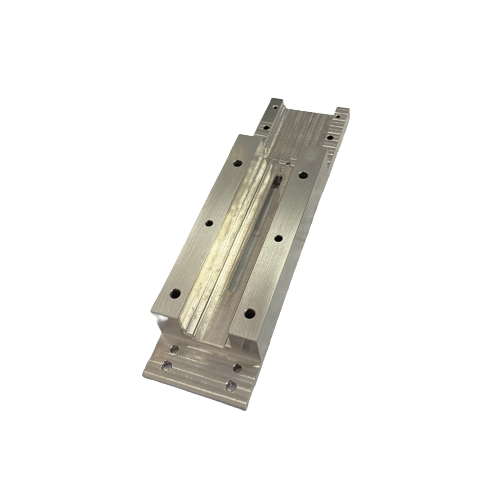 Quality Assurance
First Article Inspection (FAI): What a Real Report Covers and Why It Matters
A proper FAI report is a full dimensional and material check of the first production part, usually provided at no extra cost by a competent shop. Here is what it should contain.
Read article →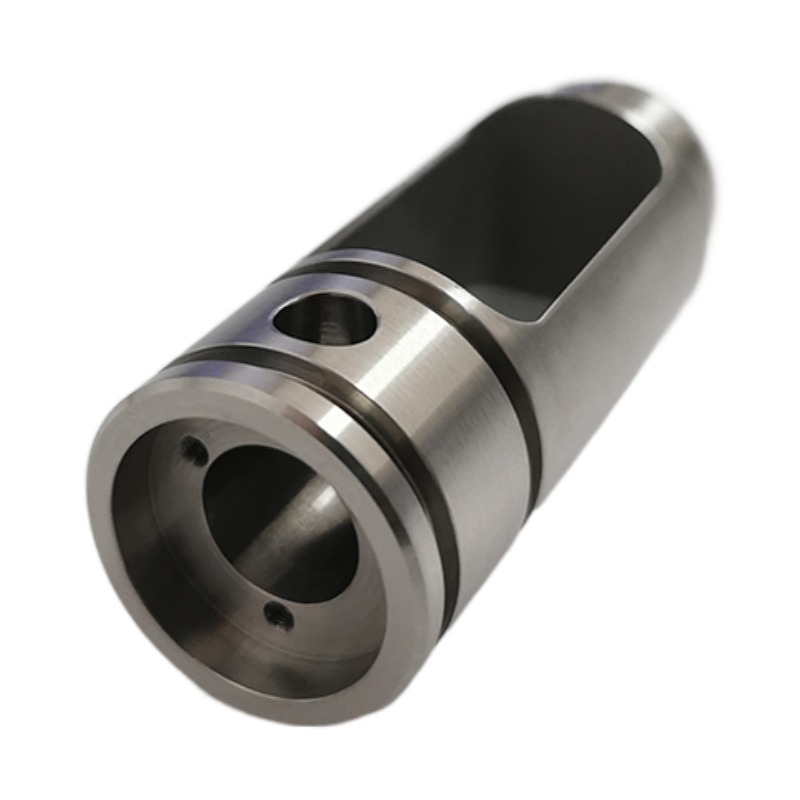 Surface Finishing
Surface Finish Ra Values for Machined Parts: A Practical Buyer's Chart
Ra 3.2 is the standard CNC default, Ra 1.6 covers most functional surfaces, and Ra 0.8 starts costing noticeably more. Use this chart to pick the right value without over-specifying.
Read article →Material SelectionAluminum 6061-T6 for CNC Machining: Why It is the Default and When to Upgrade
6061-T6 is the most commonly machined aluminum alloy because it balances strength, machinability, cost, and anodizing response. Learn what T6 means and when you should pick a different alloy.
Read article →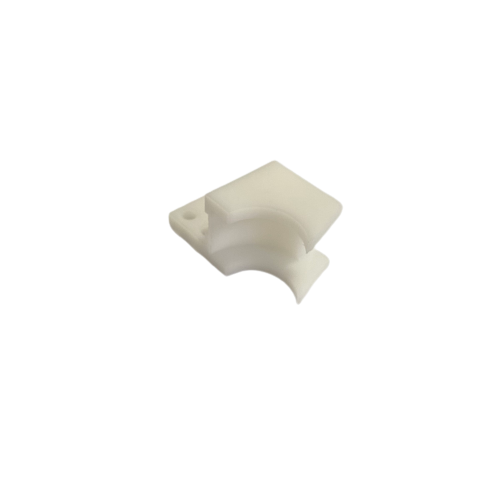 Material Selection
Machining PEEK: When It is Worth the Price (and When It Is Not)
PEEK costs 5–10 times more than aluminum to machine. It earns its price in high-temperature, chemically aggressive, or low-outgassing applications, but POM or PPSU will do the job elsewhere.
Read article →Surface FinishingDeburring Machined Parts: The Hidden Process in Every Quote
Deburring is included in almost every CNC quote, but the thoroughness of edge finishing varies widely between shops. Find out why burrs matter and how to specify what you need.
Read article →Surface FinishingAnodizing Defects: Causes, Fixes and How to Prevent Them
Blotchy color, white spots, burned edges, parts that no longer fit the tolerance after coating. Here are the anodizing defects I see most on machined aluminum parts, what actually causes each one, and what to write on the drawing so it does not happen again.
Read article →Semiconductor & VacuumVacuum Welding: How to Get Leak-Tight Joints for UHV Parts
A chamber that will not reach base pressure is almost never leaking through a machined surface. It is the welds, the fitting joints and the volumes that never get pumped out. Here is what makes a vacuum weld tight, and what belongs on the drawing.
Read article →Design for ManufacturingO-Ring, Gasket or Face Seal: Which Groove Does Your Joint Need?
Three seal families cover almost every machined joint: an O-ring in a cut groove, a compression gasket on a flat face, and a metal face seal. Pick the wrong one and no amount of bolt torque will stop the leak. Here is how to choose.
Read article →Have a Similar Part in Mind?
Send us your drawing — we review within 24h and return a quote with lead time.
Request A Quote →