Request A Quote
Application

📐 Instrument Housings & Enclosures

Precision CNC machined precision aluminum and stainless enclosures for analyzers, test equipment, and scientific instruments

⏱ 3-5 monthsAluminum 6061/6063Stainless 304/316LBrassEngineering plastics

Typical Parts We Machine

  • Analyzer cases and chassis
  • Equipment base plates and frames
  • Sensor housings and covers
  • Display bezels and control panels
  • Custom enclosure assemblies
  • Ventilated and sealed enclosures

Materials

Aluminum 6061/6063 · Stainless 304/316L · Brass · Engineering plastics. Full material certs available on request.

Quality

Every part is CMM-inspected with full report included. Cpk ≥ 1.33 on critical dimensions. Free FAI with every new part.

Related Parts
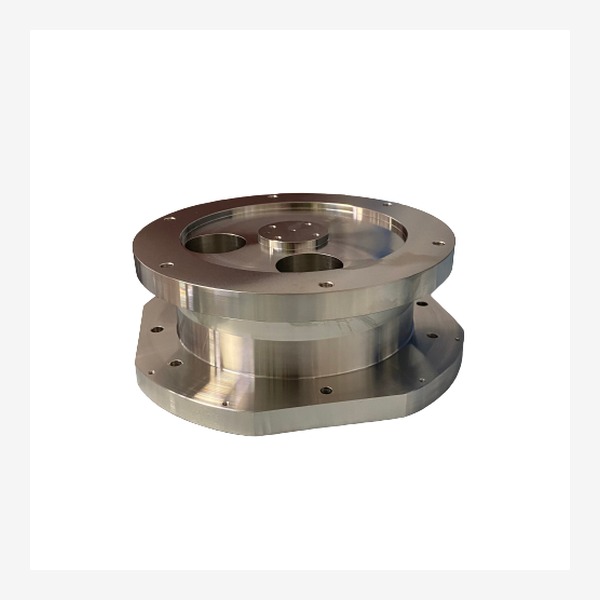
Part
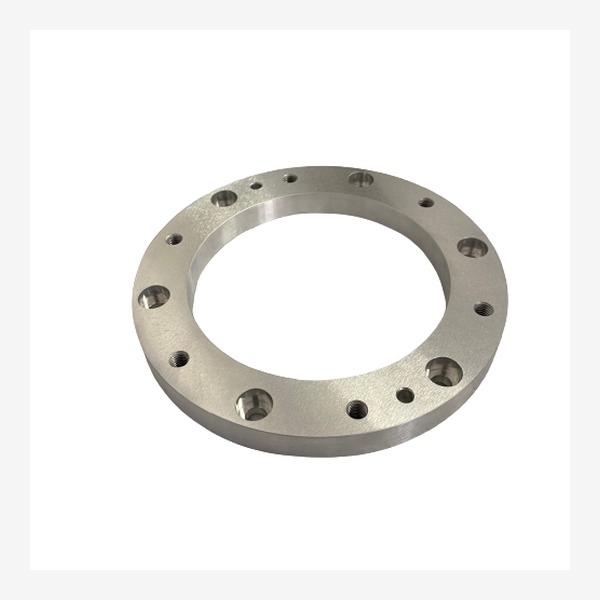
Part
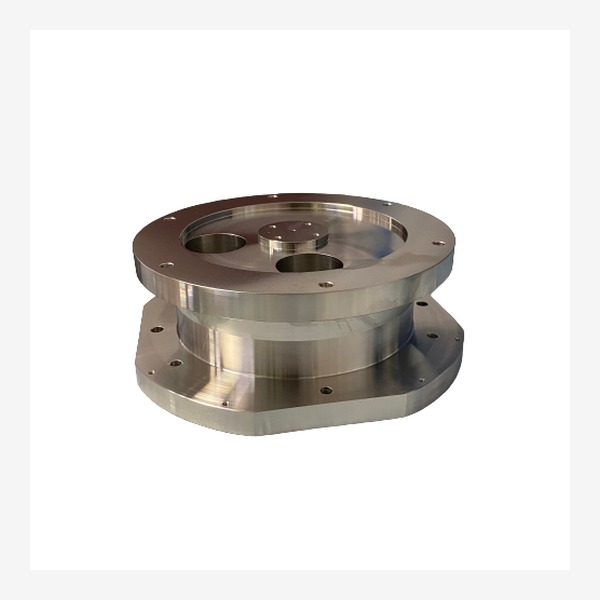
Part

Explore Related Industries

These precision machining tracks share similar processes, materials, and quality standards.

Frequently Asked Questions

What materials do you recommend for precision instrument housings?

For EMI/RFI shielding: aluminum 6061 with conductive coating. For optical instruments: aluminum 6061-T6 with black anodizing (reduces internal light reflection) or stainless steel 304/316 for vacuum and clean-room environments. For portable instruments: aluminum or machinable plastics (PEEK, Delrin) for weight reduction.

What tolerances do you hold on housing mating surfaces?

We hold ±0.01mm on mating surfaces and ±0.05mm on overall housing dimensions. Seal grooves for O-rings and gaskets are machined to ±0.05mm width and depth. For EMI-shielded enclosures, we maintain surface flatness within 0.05mm per 100mm to ensure proper gasket compression.

Do you machine housings with threaded inserts or brass bushings?

Yes. We install Heli-Coil threaded inserts, Keylocking inserts, and press-fit brass bushings per customer specifications. For applications requiring repeated assembly cycles, we recommend Keylocking inserts in aluminum housings for superior thread durability. Inserts are installed and flush-checked before final inspection.

Can you achieve a cosmetic-grade surface finish on housings?

Yes. For cosmetic surfaces we achieve Ra 0.8µm or better, with smooth transitions and no visible tool marks. We deburr all internal and external edges — including blind holes, intersecting bores, and internal cavities. For high-end instruments, we offer bead blasting and brushing before anodizing for a consistent matte finish.

Do you machine complex internal cavities for sensor housings?

We routinely machine complex internal cavities using 5-axis milling, EDM (ram and wire), and precision boring. Our CAM programming optimizes tool paths for internal features with minimal tool overhang. We achieve internal corner radii as small as 0.1mm (end mill) and 0.05mm (EDM). Internal cavity surface finish is verified with borescope.

What sealing options do you provide for instrument housings?

We machine O-ring grooves for static seals (Buna-N, Viton, EPDM, silicone), gasket seating surfaces for EMI gaskets, and tongue-and-groove sealing joints for IP-rated enclosures. For submersible or high-humidity environments, we recommend O-ring seals with vacuum port testing. We also machine hermetic seal pockets for glass-to-metal seal feedthroughs.

Buying Guide

Precision Instrument Housings CNC Machining — Material & Tolerance Guide

1. Aluminum 6061 Is the Default Choice

For most instrument housings, 6061-T6 aluminum offers the best balance of machinability, dimensional stability, and cost. It machines cleanly to thin walls and complex internal cavities.

2. Wall Thickness Consistency Matters

Inconsistent wall thickness causes resonance issues in precision instruments. Specify ±0.1mm on wall thickness and let your machinist adjust feed rates to avoid chatter on thin sections.

3. Surface Finish for Aesthetic and Functional Needs

Instrument housings often need both cosmetic exterior finishes and functional interior surfaces. TruPart achieves Ra 0.8μm on sealing faces and Ra 1.6μm on visible surfaces.

4. EMI Shielding Integration

Design for EMI gasket channels and conductive coating compatibility early. Post-machining nickel-copper plating or conductive anodizing can be applied to meet shielding requirements.

5. Threaded Inserts vs. Tapped Holes

For aluminum housings that see repeated assembly cycles, helical thread inserts outlast tapped holes by 5:1. Specify inserts for all M3-M6 threaded connections in the housing design.

×

Ready to Start Your Project?

Send us your drawing. We'll review, optimize, and quote within one business day.

Request A Quote

STEP · IGES · PDF · SolidWorks · DWG