Request A Quote
Application

🔬 UHV Vacuum Fittings

Precision CNC machined ultra-high vacuum flanges, chamber fittings, and precision components for vacuum and research equipment

⏱ 3-5 monthsStainless 304L/316LAluminumOxygen-free copperSpecial alloys

Typical Parts We Machine

  • UHV flanges — CF, KF, ISO
  • Vacuum chamber fittings and ports
  • Feedthrough bodies and adapters
  • Precision vacuum sealing surfaces
  • Custom UHV components
  • Clean-room machined and packaged

Materials

Stainless 304L/316L · Aluminum · Oxygen-free copper · Special alloys. Full material certs available on request.

Quality

Every part is CMM-inspected with full report included. Cpk ≥ 1.33 on critical dimensions. Free FAI with every new part.

Related Parts
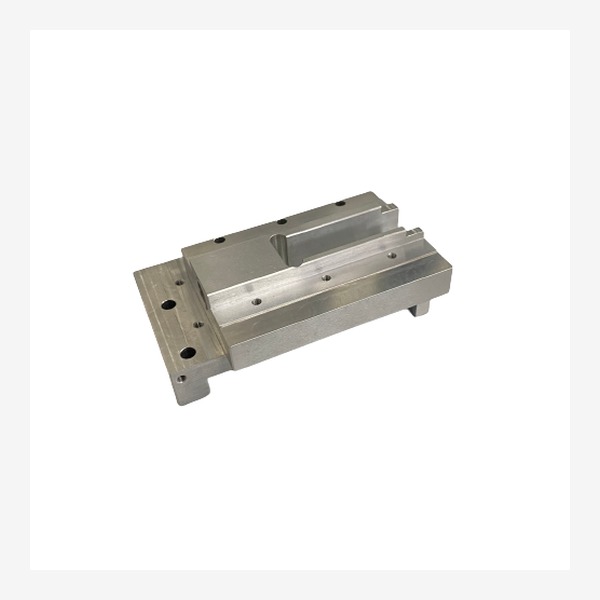
Part
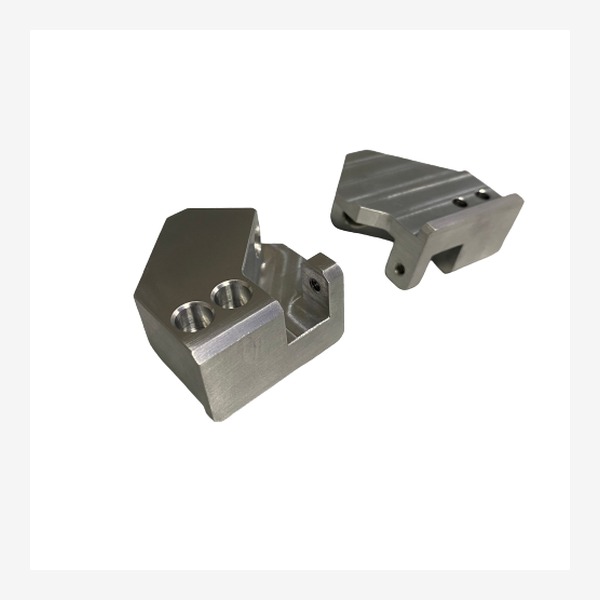
Part
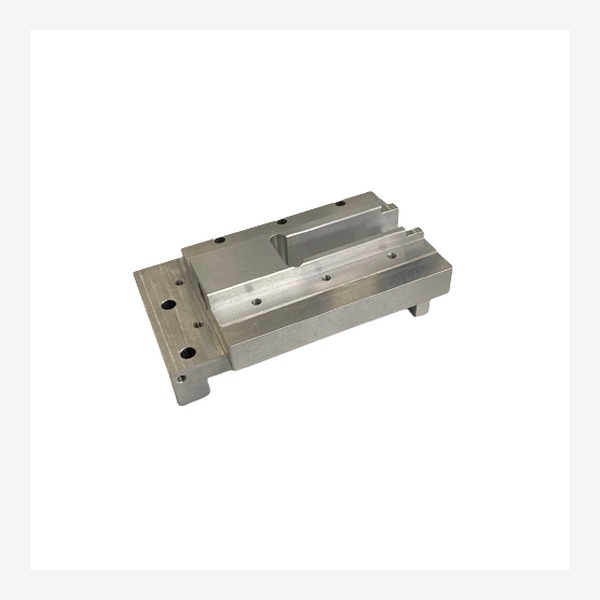
Part

Explore Related Industries

These precision machining tracks share similar processes, materials, and quality standards.

Frequently Asked Questions

What materials do you machine for UHV applications?

We machine 316L/304L stainless steel (low magnetic permeability, vacuum-compatible), high-purity aluminum 5083/6061, oxygen-free copper (OFHC C10100), titanium Grade 2, and Inconel 625/718 for UHV components. All materials are selected to minimize outgassing and are certified vacuum-grade per customer specification.

What surface finishes are required for UHV sealing surfaces?

UHV sealing surfaces require Ra 0.2µm (mirror finish) for metal gasket sealing (ConFlat/CF flanges) and Ra 0.8µm for elastomer/copper gasket sealing. We achieve these finishes through precision turning, grinding, and optional lapping/polishing. All sealing surfaces are verified with profilometer and documented.

Do you machine ConFlat (CF) flanges?

Yes. We machine standard and custom ConFlat flanges per ISO 3669 / DIN 28403, with the critical knife-edge sealing surface held to ±0.05mm knife-edge radius and the proper 20° sealing angle. All CF flanges are dimensionally verified with optical measurement to ensure leak-tight sealing with OFHC copper gaskets.

What vacuum leak rates do your components achieve?

Vacuum components machined by TruPart consistently achieve leak rates below 1×10⁻¹⁰ mbar·L/s (helium leak testing). Our typical UHV components can reach 1×10⁻¹² mbar·L/s with appropriate sealing hardware. Leak test reports are available upon request.

Are your UHV components electropolished or passivated?

We offer electropolishing for 316L UHV components to remove surface impurities, reduce outgassing, and achieve Ra 0.25µm surface finish. Passivation per ASTM A967 is standard for stainless steel components. For aluminum UHV parts, we offer fluoropolymer coating to reduce particulate generation in vacuum.

Do you machine custom UHV feedthroughs and viewports?

Yes. We machine custom UHV feedthrough bodies, viewport flanges, electrical feedthroughs, and liquid feedthroughs. These components require extremely tight dimensional control for hermetic glass-to-metal seal (GTMS) and ceramic-to-metal seal integrity. We work from customer-supplied GTMS drawings or provide design assistance for the metal housing geometry.

Buying Guide

UHV Vacuum Components CNC Machining — Helium Leak Testing & Surface Finish

1. Material Selection for UHV Service

UHV components require materials with low vapor pressure and minimal outgassing. 316L stainless steel, OFHC copper, and 6061-T6 aluminum are standard choices, with strict control on inclusions and surface defects.

2. Surface Finish Below Ra 0.2μm

UHV surface finish targets are Ra ≤0.2μm to minimize surface area where gas molecules can adsorb. Electropolishing is the preferred method, reducing both roughness and surface contamination.

3. Helium Leak Testing Protocol

All UHV components must pass helium leak testing with a maximum leak rate of 5×10⁻¹⁰ mbar·L/s. TruPart performs both spray and sniffer methods depending on component geometry and access.

4. Vacuum Bake-Out Compatibility

Components that operate at elevated temperatures must withstand vacuum bake-out at 150-300°C without distortion. Specify stress-relieved material and verify dimensional stability after heat cycling.

5. Metal Sealing Surface Requirements

Knife-edge and ConFlat sealing surfaces require specific geometry and surface finish for reliable metal-to-metal sealing. TruPart machines CF flanges to ISO 3669 standards with lapped sealing surfaces.

×

Ready to Start Your Project?

Send us your drawing. We'll review, optimize, and quote within one business day.

Request A Quote

STEP · IGES · PDF · SolidWorks · DWG