Request A Quote
Application

📊 Sensor Housings & Transducer Parts

Precision CNC machined precision mechanical components for sensors, transducers, and measurement devices

⏱ 3-5 monthsStainless 303/304/316LAluminum 6061TitaniumEngineering plastics

Typical Parts We Machine

  • Sensor bodies and housings
  • Transducer mounting brackets
  • Diaphragm retaining rings
  • Connector housings for sensors
  • Calibration fixture components
  • Custom sensor mechanical assemblies

Materials

Stainless 303/304/316L · Aluminum 6061 · Titanium · Engineering plastics. Full material certs available on request.

Quality

Every part is CMM-inspected with full report included. Cpk ≥ 1.33 on critical dimensions. Free FAI with every new part.

Related Parts
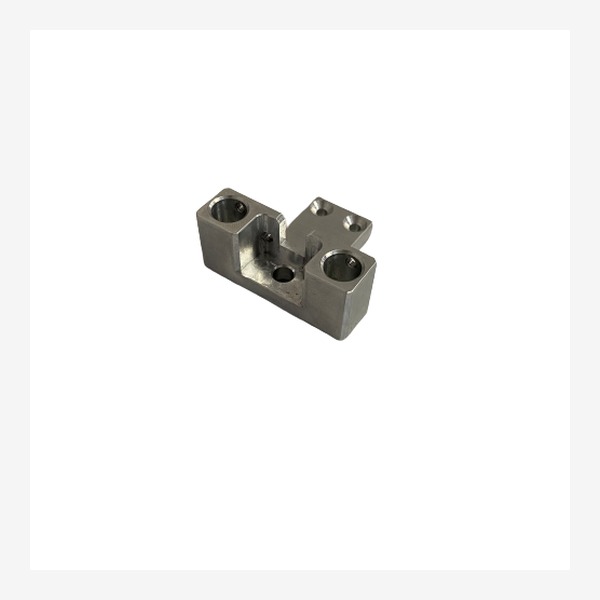
Part
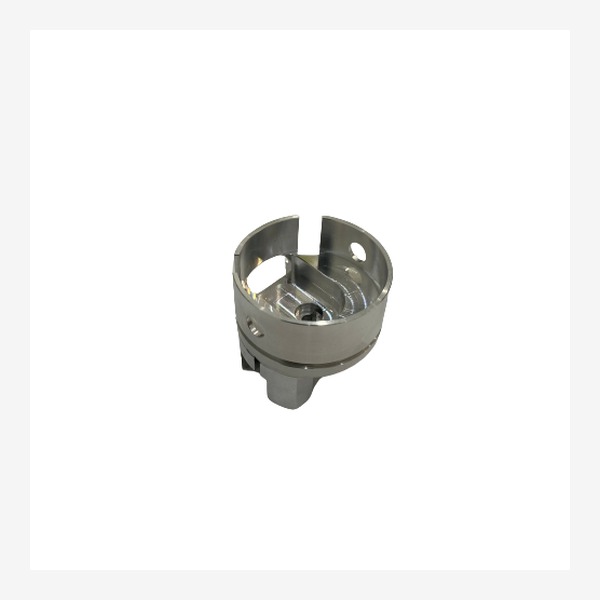
Part
Part

Explore Related Industries

These precision machining tracks share similar processes, materials, and quality standards.

Frequently Asked Questions

What materials do you machine for sensor housings?

Common materials include 304/316L stainless steel (industrial sensors), aluminum 6061-T6 (lightweight/automotive), titanium Grade 2 (chemical/medical), and PEEK/Delrin (non-metallic/high-purity). Material selection depends on the sensing environment, temperature range, and chemical exposure. We advise on material selection during quoting.

What sealing options do you provide for sensor housings?

We machine O-ring grooves for static face seals, radial O-ring pockets for piston sealing, gasket surfaces for EMI/EMC gaskets, and hermetic seal pockets for glass-to-metal seal (GTMS) feedthroughs. For IP67/IP68 enclosures, we machine tongue-and-groove joints with O-ring channels. Leak testing is available on request.

Do you machine sensor housings with internal threads?

Yes. We machine internal threads from M3 to M80 and larger, including metric fine, UN/UNF, BSPP, and NPT threads for sensor mounting and cable gland ports. We also machine optical windows with retaining ring threads. All threads are gauged with calibrated Go/No-Go gauges.

What tolerances are standard for sensor housing components?

Standard tolerances: ±0.01mm on critical locating diameters, ±0.05mm on overall dimensions, and ±0.05mm on depth of internal features. For sensor alignment bores, we hold concentricity within 0.02mm True Position. Our Zeiss CMM verifies all GD&T callouts on the drawing.

Do you provide laser marking or engraving on sensor housings?

Yes. We offer fiber laser marking for serial numbers, date codes, 2D Data Matrix codes (ECC200), logos, and customer part numbers. Laser marking is permanent and suitable for industrial and medical environments — no ink, no wear. Marking depth and contrast are verified per customer specification.

Can you machine small-batch sensor housing prototypes?

Absolutely. We prototype sensor housings in as little as 3-5 working days, with no minimum order quantity. Single-piece prototypes and small batches (2-50 pieces) are our specialty. We provide DFM feedback to optimize housing design for cost-effective production at higher volumes.

Buying Guide

Sensor Housings CNC Machining — Design Tips for Signal Integrity

1. Material Choice Affects Signal Performance

Stainless steel 304 or 316L provides durability and corrosion resistance for harsh environments. For applications needing magnetic transparency, aluminum 6061 or brass are better options.

2. Tight Tolerances on Mounting Features

Sensor alignment directly affects measurement accuracy. We recommend ±0.02mm on mounting bore positions and ±0.01mm on sensor pocket depths for consistent signal performance.

3. Sealing and Environmental Protection

IP67 or IP68 rated sensor housings require precision O-ring grooves. TruPart machines gland depths to ±0.05mm with smooth groove floors to ensure reliable sealing over the product lifespan.

4. Cable Exit Design Considerations

Straight vs. right-angle cable exits affect installation clearance. Design the cable gland thread early — M12x1.5 and PG9 are common standards we machine daily for sensor housing applications.

5. Surface Treatment for Long-Term Reliability

Hard anodizing on aluminum or electropolishing on stainless sensor housings prevents galling on threaded connections and resists corrosion in outdoor or washdown environments.

×

Ready to Start Your Project?

Send us your drawing. We'll review, optimize, and quote within one business day.

Request A Quote

STEP · IGES · PDF · SolidWorks · DWG