Request A Quote
Application

💻 Semiconductor Equipment Parts

Precision CNC machined precision machined components for wafer handling, vacuum chambers, and semiconductor manufacturing equipment

⏱ 4-8 monthsAluminum 6061Stainless 316LTitaniumEngineering plastics

Typical Parts We Machine

  • Vacuum chamber components
  • Wafer handling parts
  • Process kit components
  • Gas distribution fittings
  • Quartz and ceramic replacement parts
  • Custom semiconductor consumables

Materials

Aluminum 6061 · Stainless 316L · Titanium · Engineering plastics. Full material certs available on request.

Quality

Every part is CMM-inspected with full report included. Cpk ≥ 1.33 on critical dimensions. Free FAI with every new part.

Related Parts
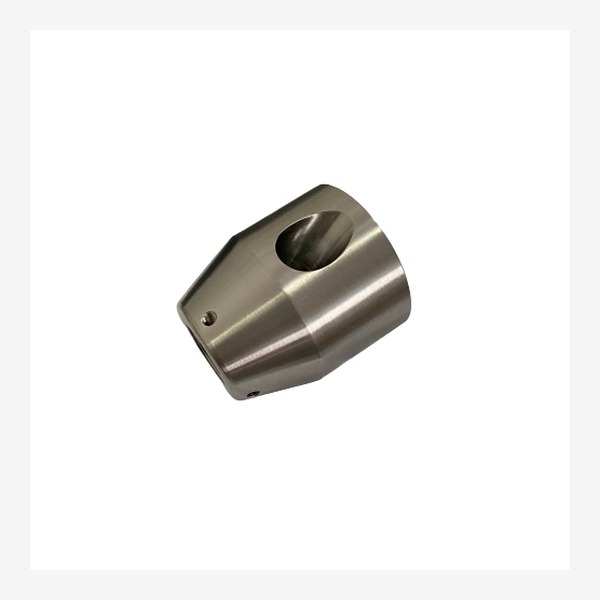
Part
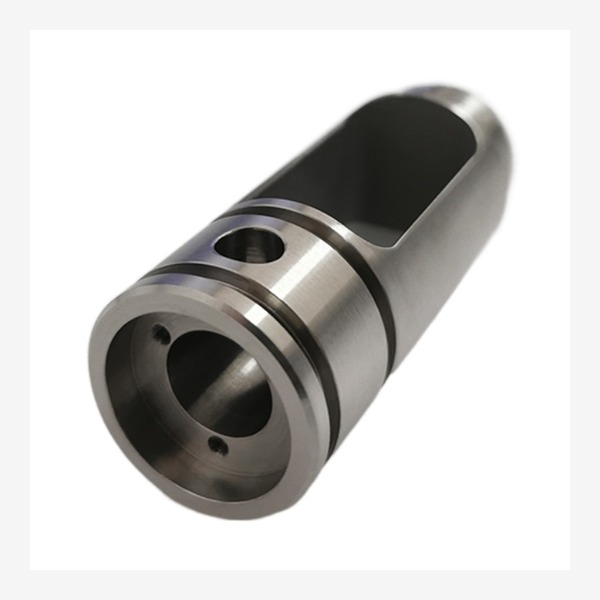
Part
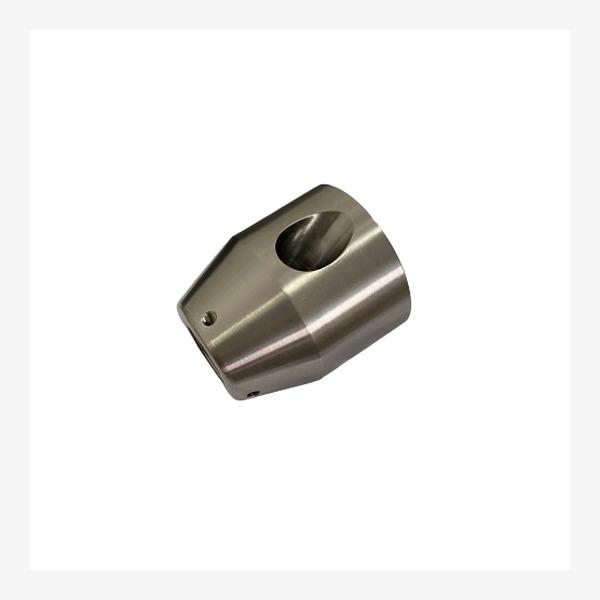
Part

Explore Related Industries

These precision machining tracks share similar processes, materials, and quality standards.

Frequently Asked Questions

What materials do you machine for semiconductor equipment?

We machine aluminum 6061-T6 and 5083 for chamber components, stainless steel 316L for wet process parts, titanium Grade 2 for wet etch baskets, PEEK and PTFE for chemical-resistant components, PCTFE (Kel-F) for cryogenic seals, and ceramic-compatible metal components for process modules. All materials conform to SEMI standards.

Do you offer electropolishing for semiconductor components?

Yes. Electropolishing to Ra 0.25µm or better is available for 316L stainless steel components. Our electropolishing process removes the worked surface layer, exposing a clean, passive surface ideal for wet process and clean-room environments. We provide surface roughness measurements before and after electropolishing.

What cleanliness standards do you meet for semiconductor parts?

We follow SEMI F57 for component cleanliness. Parts are ultrasonically cleaned in DI water (18 MΩ·cm resistivity), nitrogen blow-dried, and double-bagged in Class 1000 clean-room bags. For critical applications, we offer Class 100 clean-room packaging with particle count verification per ISO 14644.

What tolerances do you hold on semiconductor sealing surfaces?

We hold ±0.01mm on O-ring groove dimensions and ±0.02mm on sealing surface flatness. For slit valve and gate valve sealing surfaces, we machine to Ra 0.4µm. Our vacuum sealing surfaces are leak-tested per customer specifications. Laser marking for UID/traceability is available.

Do you machine complex gas delivery system components?

Yes. We machine gas distribution blocks and manifolds from 316L stainless steel with surface finishes optimized for particle minimization. Internal passages are machined with smooth transitions — no sharp corners, no re-entrant features that could trap particles. All threads are gauged and all passages are deburred and verified via borescope.

Can you supply components with full material traceability?

Absolutely. Every semiconductor component ships with full material traceability: mill test reports, heat/lot numbers, material composition verification. For 316L components, we provide ferrite content measurement per ASTM A1084. All traceability documents are compiled in a single package per PO line item.

Buying Guide

Semiconductor CNC Machining — UHV Compatibility & Cleanroom Standards

1. UHV Compatibility Starts with Material

Semiconductor chamber components require materials that minimize outgassing. 316L electropolished stainless, OFHC copper, and 6061-T6 aluminum are standard choices for UHV compatibility.

2. Helium Leak Testing Mandatory

All vacuum components must pass helium leak testing with a maximum leak rate of 1×10⁻⁹ mbar·L/s. TruPart performs in-house helium leak testing on every vacuum-grade component.

3. Surface Finish Below Ra 0.4μm

Particle entrapment is the enemy in semiconductor processing. Electropolishing reduces surface roughness to Ra 0.2-0.4μm and eliminates micro-crevices where particles accumulate.

4. Cleanroom Assembly and Packaging

Components for etch and deposition chambers must be assembled in Class 100 or better cleanrooms. TruPart offers verified double-bagging with particle count certification.

5. Precision Threads for Gas Fittings

Gas line connections use ultra-clean threads — typically VCR, C-seal, or face-seal fittings. Thread form and surface finish at the sealing interface are critical to prevent micro-leaks.

×

Ready to Start Your Project?

Send us your drawing. We'll review, optimize, and quote within one business day.

Request A Quote

STEP · IGES · PDF · SolidWorks · DWG